GMPCAST WEBINARS

Previous Webinars
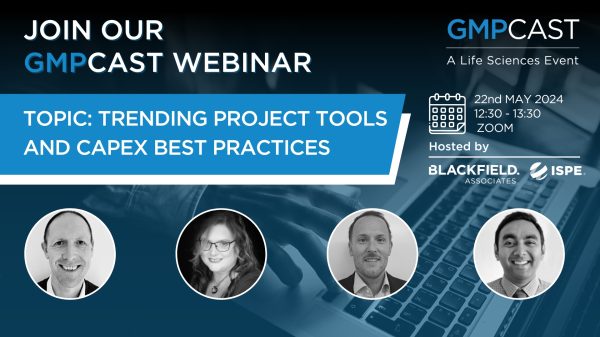
Episode 1: Trending Project Tools And Capex Best Practices
Participants joined us to learn about effective management styles and best practices for Capex projects as experienced by manufacturers, design houses, and consultants.
In an industry as dynamic and regulated as pharmaceutical manufacturing, staying ahead of the curve is crucial for success. This webinar provided an overview of trending tools and practices demonstrated to be successful.
What We Covered
- Innovative Trending Project Management Tools for Pharma Projects: Attendees discovered trending project management software specifically designed for pharmaceutical projects, learning how these tools can streamline project workflows, enhance collaboration among cross-functional teams, and ensure compliance with regulatory requirements.
- Best Practices for Capex Management Strategies: The session discussed best practices for managing Capex in the pharmaceutical industry, including budgeting, risk assessment, and meeting regulatory requirements. Insights were shared on optimizing Capex allocation to support strategic initiatives while maintaining financial discipline.
- Case Studies and Industry Insights: Industry experts shared their experiences implementing project tools and Capex strategies in pharmaceutical settings. Real-world examples of project management challenges and solutions were explored, providing valuable lessons from industry peers.
- Interactive Q&A Session: Participants had the opportunity to get answers to their questions about project management and Capex best practices. Our panel of experts provided insights and shared practical tips for overcoming common challenges.
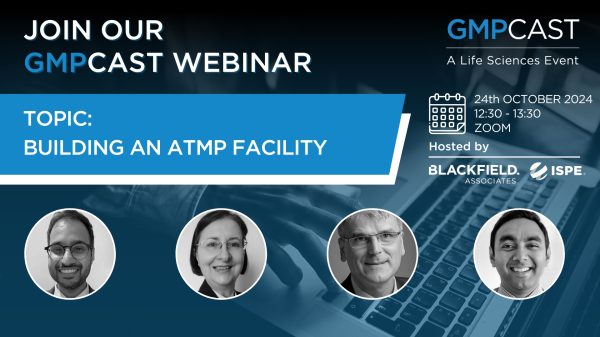
Episode 2: How To Build An ATMP Facility
Participants joined us to learn about effective management styles and best practices for Capex projects as experienced by manufacturers, design houses, and consultants.
In an industry as dynamic and regulated as pharmaceutical manufacturing, staying ahead of the curve is crucial for success. This webinar provided an overview of trending tools and practices demonstrated to be successful.
What We Covered
- There was a discussion on what made ATMPs unique in terms of manufacturing processes, the manufacturing facility, and logistics.
- The specific challenges ATMPs presented in development and manufacturing were also discussed. Participants delved into the distinct challenges posed by ATMPs in the pharmaceutical industry, gaining an understanding of the complexities involved in developing and manufacturing these innovative therapies. They explored the stringent regulatory requirements, high costs, and logistical hurdles that companies had to overcome to bring these therapies to market.
- An explanation was provided on why standard facility considerations for other therapies did not apply to ATMPs.
- An interactive Q&A session allowed participants to delve into the intricacies of ATMPs. A panel of experts addressed pressing questions on the development, production, and regulatory aspects of ATMPs.
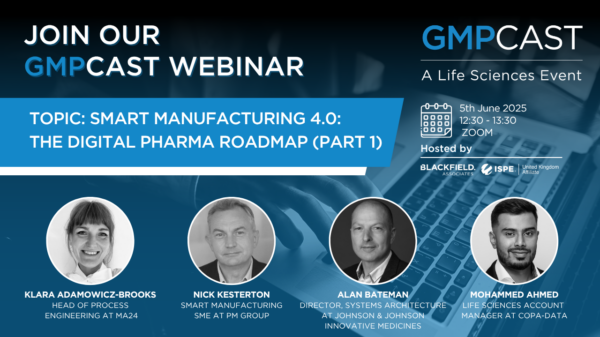
Episode 3: Smart Manufacturing 4.0: The Digital Pharma Roadmap (Part 1)
Our recent webinar, Smart Manufacturing 4.0: The Digital Pharma Roadmap (Part 1), brought together pharma professionals to explore the practical steps and strategies manufacturers can take to unlock the benefits of digital transformation.
What We Covered
During the session, we delved deep into how pharmaceutical companies can future-proof their operations by embracing Industry 4.0 technologies and best practices:
-
Introduction to Pharma 4.0: Understanding the key drivers pushing the industry toward digitalisation, including global manufacturing shifts, evolving workforce expectations, and market demands.
-
Why Pharma 4.0 Matters: Examining strategic advantages like faster time-to-market, enhanced quality, and operational flexibility — plus the risks of lagging behind.
-
Navigating Barriers: Tackling real-world challenges such as budget priorities, cultural resistance, and compliance concerns, with insights on overcoming these hurdles.
-
Case Studies & Practical Insights: Real-life success stories from pharma leaders featuring technologies and approaches like:
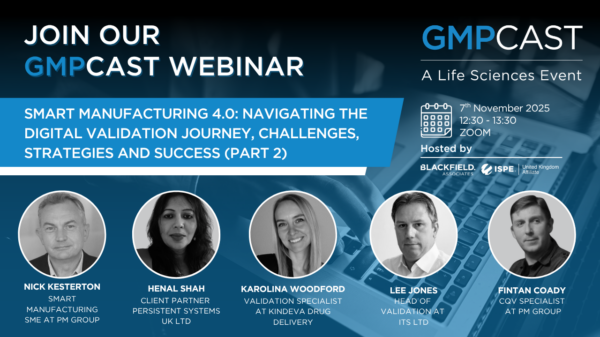
Episode 4: Smart Manufacturing 4.0: Navigating The Digital Validation Journey, Challenges, Strategies and Success (Part 2)
What We Covered
- Selecting a digital use case that makes a difference: Choosing the right starting point was critical to a successful transformation. We explored how to identify high-impact, scalable digital use cases that aligned with business priorities and drove measurable value.
- Where to start: Transitioning to digital validation required a strategic approach. We discussed how to assess digital maturity, define clear objectives, and set realistic timelines to begin the transformation without disrupting operations.
- Planning for challenges: Digitalisation came with its share of regulatory, technical, and cultural hurdles. We examined how proactive planning, cross-functional collaboration, and risk management frameworks helped anticipate and mitigate potential challenges.
- Overcoming the obstacles: Even with careful planning, unexpected obstacles arose. We shared practical insights and real-world examples on navigating issues such as system integration, resistance to change, data integrity concerns, and evolving regulatory expectations.
- Application for Artificial Intelligence: We discussed how AI could be applied in Smart Manufacturing Systems, including its use to accelerate the validation lifecycle.
- Benefits and achievements: We concluded with a discussion on what success looked like. From increased efficiency and reduced compliance risks to improved data-driven decision-making, we reviewed the tangible benefits realised through digital validation initiatives.
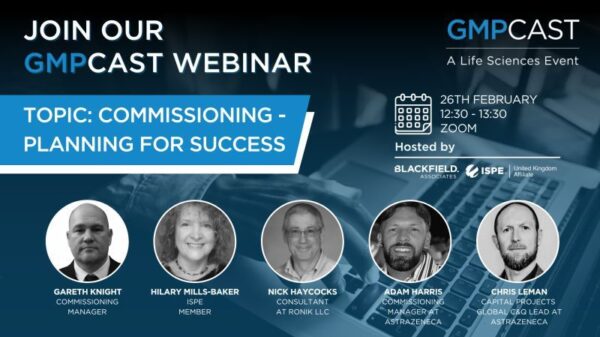
Episode 5: Commissioning: Planning for Success
This episode focused on how effective commissioning planning drives successful project delivery. We covered the purpose of a commissioning plan, how it integrates with project controls and contracts, and how stakeholder alignment supports delivery. The session also addressed managing risk and change, handling non-conformances, and defining success criteria to measure commissioning outcomes.
What We Covered
- Purpose & Foundations of a Commissioning Plan
Why a commissioning plan is essential, what it must include (resources, standards, dependencies), and how it drives end-to-end project planning with the end in mind. - Integration, Control & Contractual Alignment
Linking the commissioning strategy to overall project controls, ensuring it is embedded in contracts, and aligning stakeholders to protect delivery. - Risk, Resilience & Measuring Success
Managing change, non-conformances, and rework, and defining success criteria to measure whether the commissioning strategy achieved its intended outcomes.