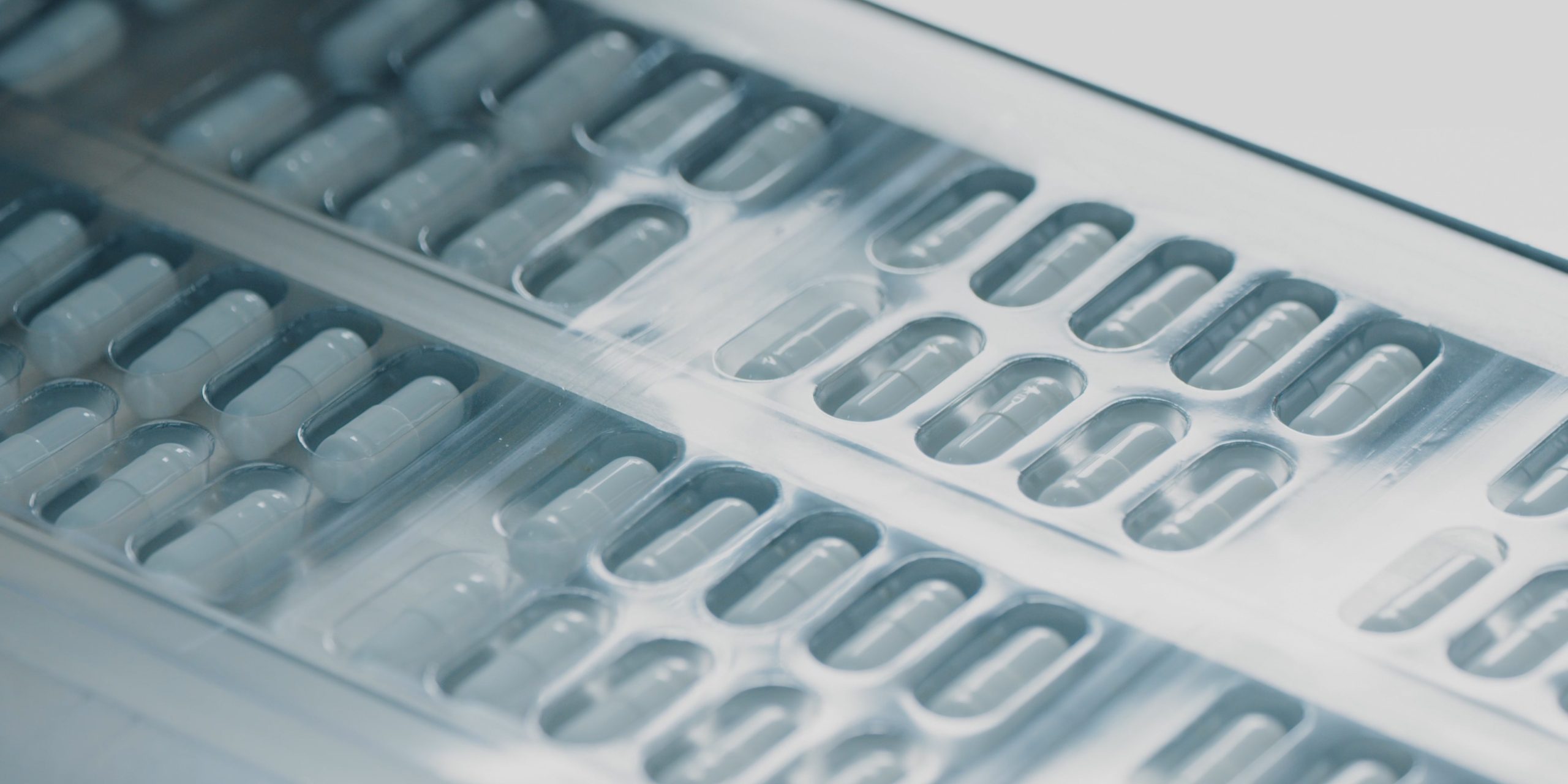
Over the last 100 years, the pharmaceutical industry has been at the forefront of the adoption of automation to improve efficiency and reduce errors in its processes. Automated processes have undergone a huge shift from basic handheld machines to sophisticated robotic systems that can complete multiple complex tasks with high accuracy and speed. Read on to discover how the pharmaceutical industry got to where it is today through embracing the automation revolution.
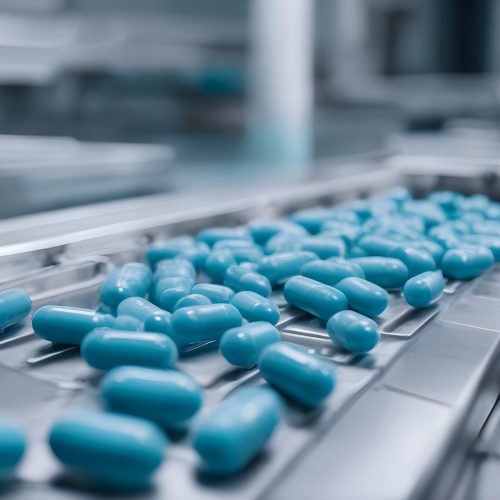
From basic capsule filling…
One of the earliest forms of automation in the pharmaceutical industry was the use of machines for filling capsules. These were used in the production of tablets and highly popular in the 19th Century. Designed to compress powdered drugs into tablets, they increased production speed and reduced errors.
Over time, electronic controls enabled more sophisticated machinery like the Manesty Machine in the 1950s, the first tablet presser to use electronic controls. This machine was able to produce tablets of different sizes and shapes, with precise weights and compression, making it suitable for the production of various medicines.
In the 1980s, Pfizer birthed the invention of computer-aided manufacturing (CAM) systems. These systems enabled even faster and more streamlined production, used primarily for antibiotic production. CAM systems were able to control the fermentation, purification, and packaging of the drug, cutting overall process times from weeks to just a couple of days.
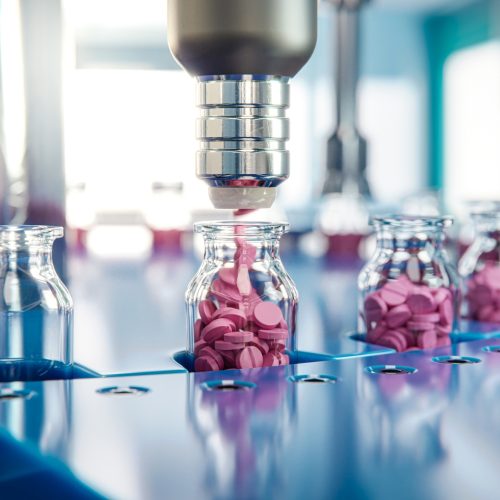
…to new drug discovery and quality control
In recent times, the pharmaceutical industry has integrated various robotic systems into manufacturing processes, aiding drug discovery, quality control and packaging. One key advancement was made by Novartis’ Biomedical Research Institute in Cambridge, Massachusetts. They developed a robotic system which used a huge library to screen millions of compounds on a 24/7 operating schedule. These systems have over 1,500 separate compartments, all testing compounds for drug discovery simultaneously.
Swiss giants Roche also made a revolutionary change with the introduction of Automated Inspection Systems to their manufacturing. This saw the use of cameras and other measurement systems to inspect products and batches for faults at rates up to 1000 units per minute. Presently, these systems are used across a variety of industries to stop faulty batches or products reaching the market and ensuring compliance within regulatory requirements.
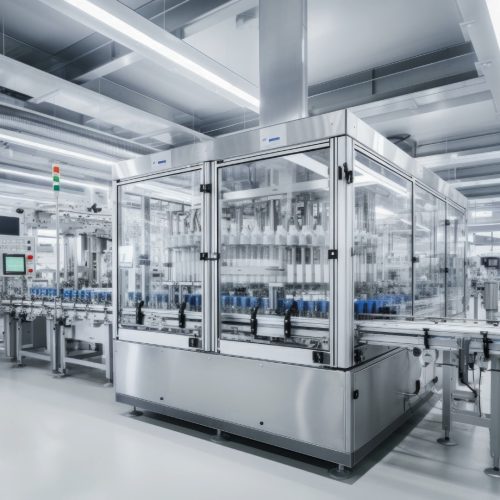
What next for this ever-changing industry?
Looking back on the last 200 years, it‘s hard to comprehend just how critical these innovations have been not only to the pharmaceutical industry, but also the health of the modern world. With manufacturing processes becoming ever more lean, efficient and controlled, its exciting to imagine what the industry will look like in the coming decades as we move further towards virtualisation, AI, machine learning and IoT integration.
Perhaps just as quickly as hands-on production mechanisms were forgotten, so too will be traditional robotics programming… Regardless, Blackfield Associates will be here for the journey!
Want to know more?
Do you want to work for an exciting international recruitment business at the forefront of one of the most vital, fast-moving industries in the world? Reach out to out Talent team today to find out what positions we currently have available!